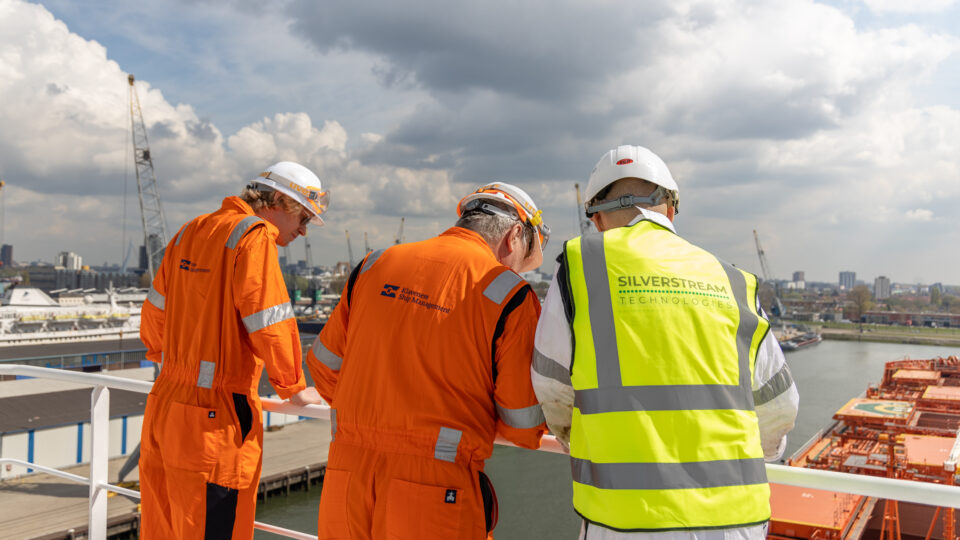
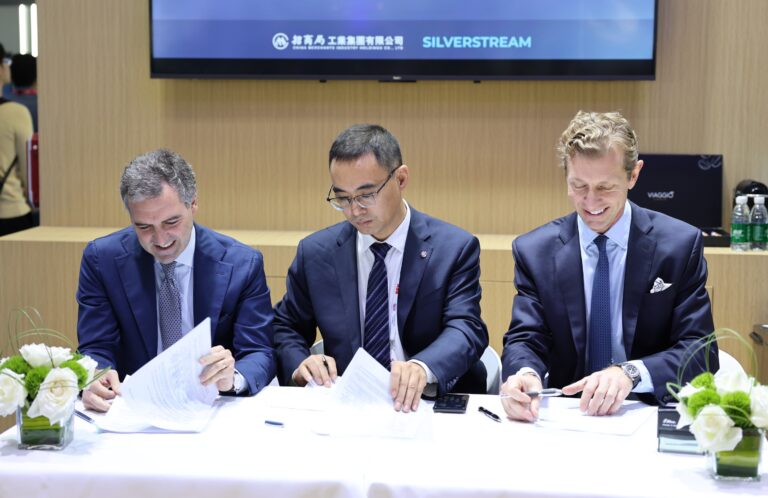
As Chief Regional Officer – Asia at Silverstream Technologies, Julian Zhu is leading the company’s expansion across one of the most dynamic maritime markets in the world. In this conversation, he discusses China’s accelerating push toward decarbonisation, the sectors offering the strongest growth potential and how energy efficiency technologies such as air lubrication are becoming essential tools in the transition to greener shipping.
The Year of the Horse symbolises energy, drive and forward momentum. What are your key priorities for Silverstream in China in the year ahead?
Our first priority is to further deepen cooperation with both shipowners and shipyards across China in order to deliver advanced energy-efficiency solutions to the market. At the same time, we are strengthening our local capabilities in China. This includes expanding aftermarket service capacity and further developing our data and digital capabilities. Artificial intelligence will increasingly support the processing and interpretation of vessel performance data, allowing operators to better understand how efficiency technologies perform in real operations. By combining strong local partnerships with advanced digital tools, we aim to accelerate adoption of energy-saving technologies throughout the region.
China’s maritime and shipping sectors are evolving rapidly. What major developments will most influence the market over the next three to five years?
Two major trends will shape the industry: the rapid development of green energy solutions and the growing role of autonomous technologies, both strongly supported by China’s national strategy. China has shown strong commitment to maritime decarbonisation, with major investments in alternative fuels, port infrastructure and next-generation vessels. In many ways, the country is emerging as a global leader in green shipping and maritime technologies. This is not a distant future scenario; the transformation has already begun and will continue to accelerate over the coming years.
Decarbonisation remains a central industry focus. What role do you see Silverstream playing in supporting China’s sustainability ambitions?
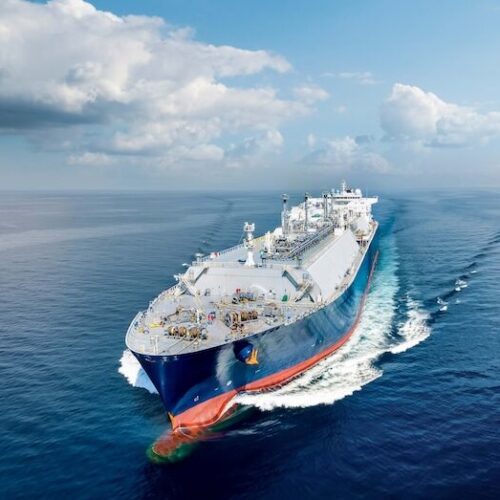
Silverstream’s technology plays an important, complementary role in the transition to greener shipping. Our air lubrication systems are fuel-agnostic, meaning they deliver efficiency gains regardless of whether vessels are powered by conventional fuels, LNG, methanol, hydrogen or other alternatives. This is particularly important because many alternative fuels are significantly more expensive than traditional fuels. Improving energy efficiency therefore becomes essential to making the economics of decarbonisation work for shipowners. Our systems typically deliver fuel savings of around 5–10%, independently verified through operational performance data. By reducing fuel consumption and energy demand, we help make decarbonisation strategies more practical and economically viable. In that sense, Silverstream acts as an enabling technology that supports China’s broader ambition to build a cleaner and more sustainable maritime sector.
In which industry sectors do you see the greatest opportunities for growth in China?
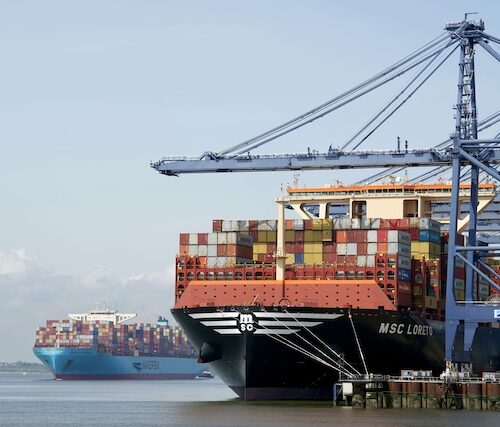
Large Containerships will remain the dominant market segment. China is home to some of the world’s leading container shipping companies and many of the biggest vessels in operation today. Because the efficiency benefits of air lubrication increase with hull surface area, these ships represent a particularly attractive market for both retrofit installations and newbuild projects.
Beyond Containerships, which other segments are becoming increasingly important?
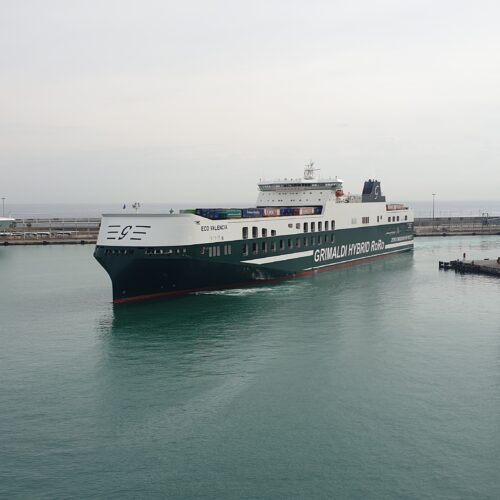
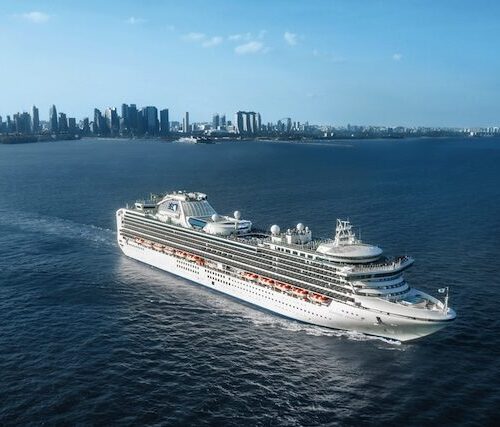
Several other vessel segments are expanding rapidly across China and the wider Asian market. The cruise sector is entering a strong growth phase, with China expected to become one of the world’s largest cruise markets within the next decade as passenger numbers rebound and more ships are deployed in the region. The Ro-Pax ferry market across China and Asia is also growing, supported by fleet renewal programmes, rising regional passenger transport and increasingly strict environmental regulations. At the same time, the strongest expansion is taking place in the PCTC segment, driven by China’s booming automotive exports. The global PCTC orderbook now represents around 35% of the existing fleet, one of the highest ratios in shipping, with many of these vessels being built in Chinese shipyards to support growing export flows. i
As these sectors expand and vessels become larger and more energy-intensive, the value of efficiency technologies increases significantly, creating strong long-term potential for our solutions across multiple ship types.
How does the China market differ from other regions in terms of customer expectations and speed of technology adoption?
One of the most distinctive features of the Chinese market is the clarity of its strategic direction. Government policy sets ambitious targets for technological leadership, sustainability and industrial development, and these objectives strongly influence the maritime sector. When Chinese shipowners are convinced that a technology delivers real value, adoption can happen very quickly. At the same time, customer expectations are extremely high. Shipowners want clear evidence of performance, measurable energy savings and a strong return on investment. This is one of the reasons we established a strong local presence in Shanghai. Being close to shipyards, shipowners and operators allows us to respond faster, support projects more efficiently and build stronger partnerships with customers in the region.
_____________________________________
i https://maritimecompass.com/2024/06/28/booming-car-carrier-market-poised-for-major-expansion/?utm_source=chatgpt.com